
A Record Year Built on Operator Trust
Bridger Photonics closed its strongest year yet as operators across the globe relied on high-fidelity data to make confident, defensible decisions.
Growth by the Numbers
6
Countries executed in 2025, planned expansion in 2026
30%+
Customer growth across the oil and gas value chain
32
Competitive displacements of other aerial technologies in 2025
Multiple
Revenue and record-setting quarters
Built on Momentum.
Ready for What’s Next.
Bridger’s record year reflects how operators are building emissions programs today, grounded in trusted data, real-world execution, and insights that support confident decisions.
As we enter the year ahead with expanding capabilities and global reach, we’re building alongside operators shaping what comes next.
Join the Momentum.
Why Operators Are Choosing Bridger
Discover how Bridger Photonics is transforming methane emissions programs and setting the new standard for operators.
Advanced analytics turn large volumes of emissions data into clear priorities, helping operators act quickly and allocate resources efficiently.
Bridger delivers reliable measurements across seasons, terrain, and operating environments, without being limited by weather or asset complexity.
Global Momentum at Scale
In 2025, Bridger operated in six countries, with plans to execute in over a dozen in 2026 as demand grows globally for accurate, scalable emissions measurement.
Why Bridger Photonics Outperforms Competitors in Methane Detection
Oil and natural gas producers have several options for methane detection, but not all technologies are created equal.
Here’s why Bridger Photonics stands out:
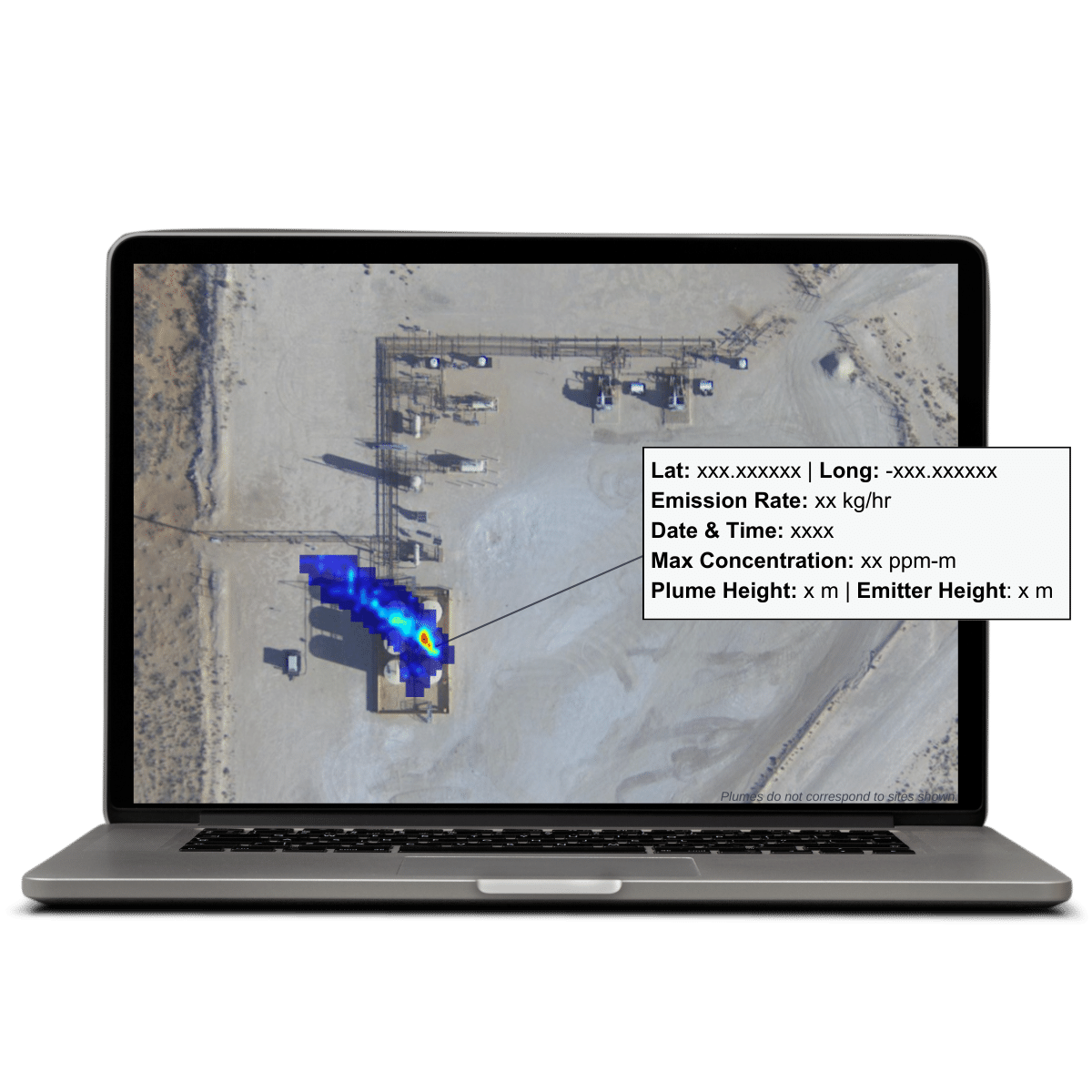
GML Advantages: Bridger Photonics' GML provides higher sensitivity and resolution, allowing for accurate detection and quantification of leaks in a single pass, reducing operational costs and delays. GML’s active LiDAR system is less affected by environmental lighting conditions, leading to faster results
GML Advantages: In contrast, GML offers unmatched spatial resolution, accurately identifying leaks down to the equipment level. Its superior sensitivity ensures even the smallest methane leaks are detected, providing comprehensive emissions management. Additionally, GML operates effectively in various weather conditions, ensuring reliable data year-round.
Limitations: Fixed sensors offer constant monitoring but are limited to specific locations, requiring numerous sensors to achieve full coverage. This setup can be costly and labor-intensive to install and maintain. Furthermore, fixed sensors are prone to inaccuracies caused by wind effects, leading to potential false readings.
GML Advantages: GML overcomes these limitations by covering vast areas with a single aerial scan, eliminating the need for multiple fixed sensors. This approach significantly reduces infrastructure and maintenance costs. Moreover, GML provides precise and actionable data, free from the inaccuracies caused by environmental factors.
Limitations: Handheld OGI sensors depend heavily on the operator's skill and their presence at the right time and place, which can limit their effectiveness. They are only capable of detecting leaks in the operator’s immediate vicinity, and require on-site personnel, increasing safety risks due to exposure to hazardous conditions.
GML Advantages: Bridger Photonics' GML technology operates autonomously, reducing the need for on-site personnel and minimizing safety risks. It identifies leaks across wide areas in a single flight, offering a much broader detection scope than handheld sensors. Furthermore, GML is highly reliable, with virtually no false positives, ensuring that operators can trust the data to prioritize repairs effectively.

Ready to Learn More? Let's Talk.
Find out how Bridger can support your methane management goals.